Cookie preferences
We use essential cookies for sign-in and security. With your permission, we also use Plausible Analytics to understand how the site is used. See our Privacy Policy

People, culture, engagement, values, diversity, equity, and inclusion are at the heart of many organizations. As social enterprise leaders, being able to create a diverse, equitable, and inclusive environment where employees feel a sense of belonging is not only good for the people you employ, it’s good for your broader talent pool, too.
To ensure that your recruiting and hiring efforts attract and build a workforce at all levels of the organization that is reflective of the communities you serve is a critical imperative. In this mini guide, you will learn the various aspects of diversity recruitment and how important it is to your people management practices.
As you diversify your income-generating initiatives, it will be important to consider modifying and expanding programs, evaluating and tweaking your systems and processes, and developing promotional opportunities and career paths for your workforce. Including an audit of your compensation structures to address pay inequities wherever they exist is also important, as are measuring brand equity, identity, and loyalty.
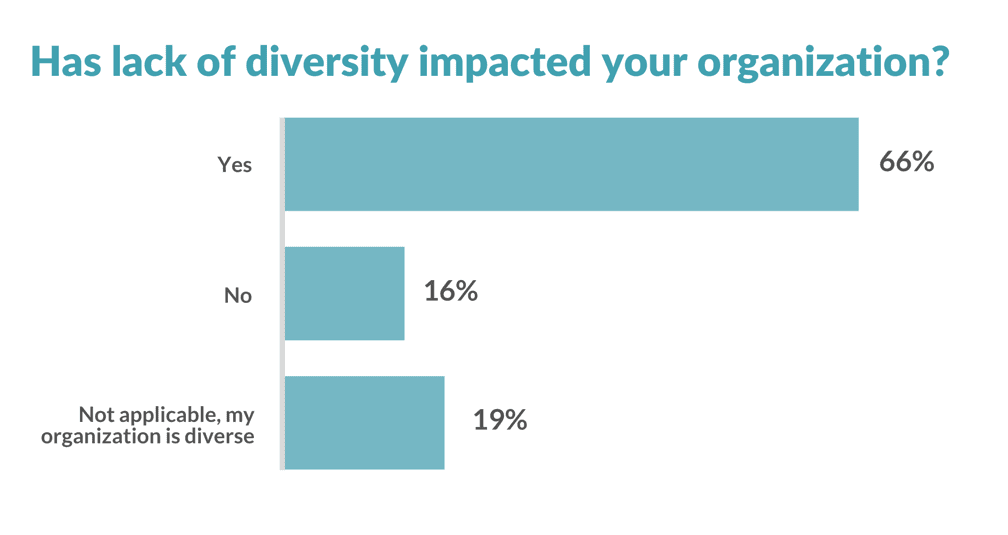
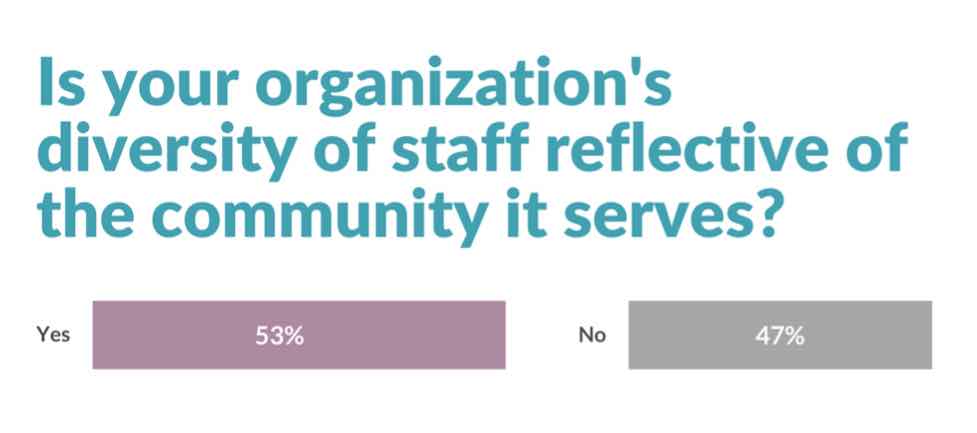
For the past two years, Nonprofit HR has invited social impact organizations to participate in its Nonprofit Diversity Priorities Survey. The below graph reflects 2020 survey responses for more than 600 organizations.
Being mission- and vision-focused is critical whether you are a newly launched start-up, growth creator, or a more established social enterprise or social entrepreneurship organization.
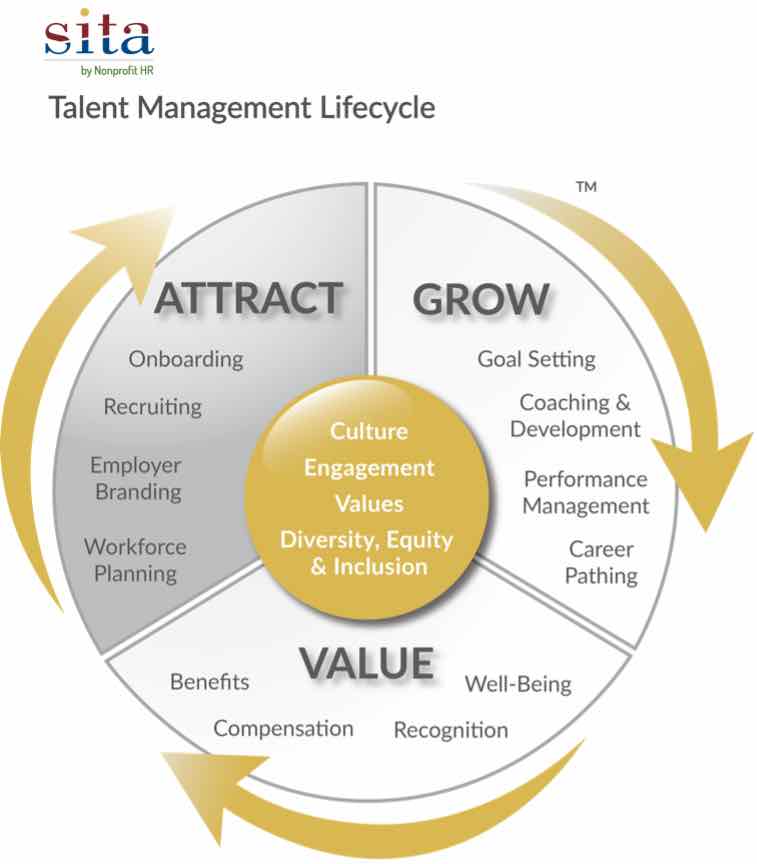
It is also important to establish your commitment to diversity, equity, inclusion, and belonging (DEIB) no matter where you are along the growth continuum. Simply put, it is never too soon to incorporate inclusion into your people acquisition and management strategy, which also includes your employer brand. Your people management lifecycle may look something like the Talent Management Lifecyle graphic below.
Here are just a few tips to get you moving in a good direction:
One short email a week with the best impact reads, interviews, and tools.
Unsubscribe anytime.
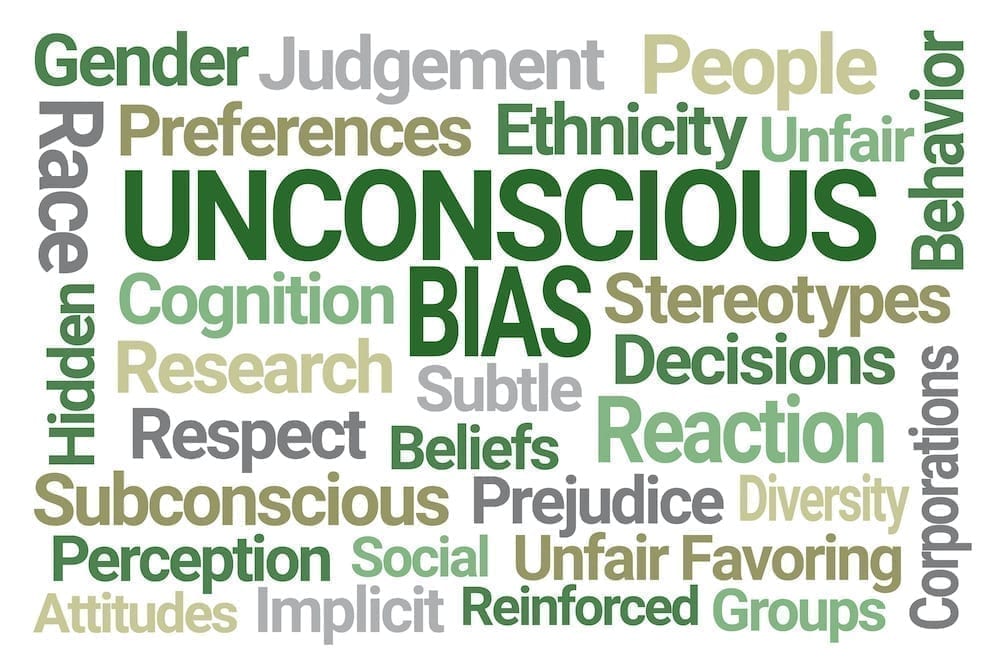
Everyone has biases. Our lived experiences, including how or where we grew up, tend to shape a narrative that, absent intervention, plays out continuously over our lifespan. Unconscious or implicit bias can stem from a variety of areas, including but not limited to how we grew up, ethnicity, gender, race, sexual orientation, values and how we are hard-wired, and the lens we use to view the world.
To overcome these phenomena when recruiting, hiring managers should seek to understand hiring biases and how they operate.
The bias in judgement and/or behavior that results from subtle cognitive processes — things like implicit attitudes, how decisions are made, how we think on a daily basis, and stereotypes that often operate at a level below conscious awareness. These biases form from past experiences and socializations. Some of us are “hard-wired” to be more comfortable with people like ourselves, who look and sound like us, and who share our background/interests/values. These hidden biases might lead us to make hiring decisions that may be at odds with our best positive intentions and with organizational principles, values, policies, and commitments. In hiring practices, people form an opinion about an applicant or candidate based solely on a first impression — phone or video screening, the applicant’s name, whether the hiring manager attended the same school or college as the applicant, the mention of a familiar social club, and more. When bias goes undetected or unaddressed, hiring teams may end up making irrelevant decisions about someone that have nothing to do with the job.
This type of bias reflects the attitudes or beliefs that one endorses on a conscious level. Explicit bias can negatively impact people and groups. “Explicit” means you are aware of your thoughts and behaviors, and you do not seek to intentionally modify them. Let’s look at these examples of in-group, out-group, and the Halo Effect.
Resumes and cover letters generally serve as the first interaction with a prospective candidate. These tips can help you avoid bias in your recruiting process.
Maintaining commitment to your people and culture strategy is not easy. However, when you focus on weaving DEIB in your people acquisition and management practices, you’re off to a good start. Using an equity lens creates parity in your workforce and purposefully causes you to prioritize and pursue necessary actions.
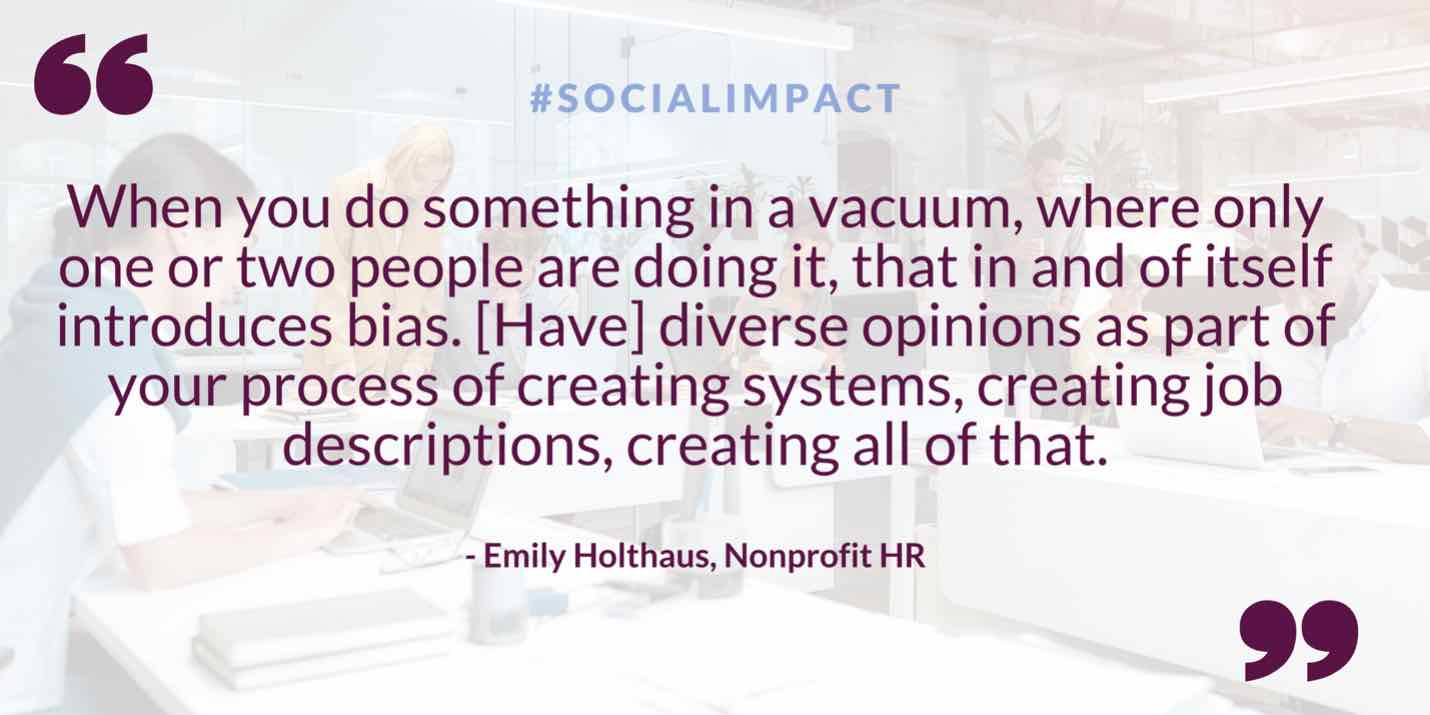
One look at mainstream media stories will show that biases within and outside our organizations and systems are ever-present. SITA by Nonprofit HR’s parent company has worked with hundreds of organizations across the country, and nearly all have seen bias creep into their processes and systems as it relates to human resources. Operating in a vacuum, where there is a lack of transparency around how and what decisions are made, allows for the introduction of bias in a company’s operations. This is also why we must crave and build diverse thought and opinions in our organizations.
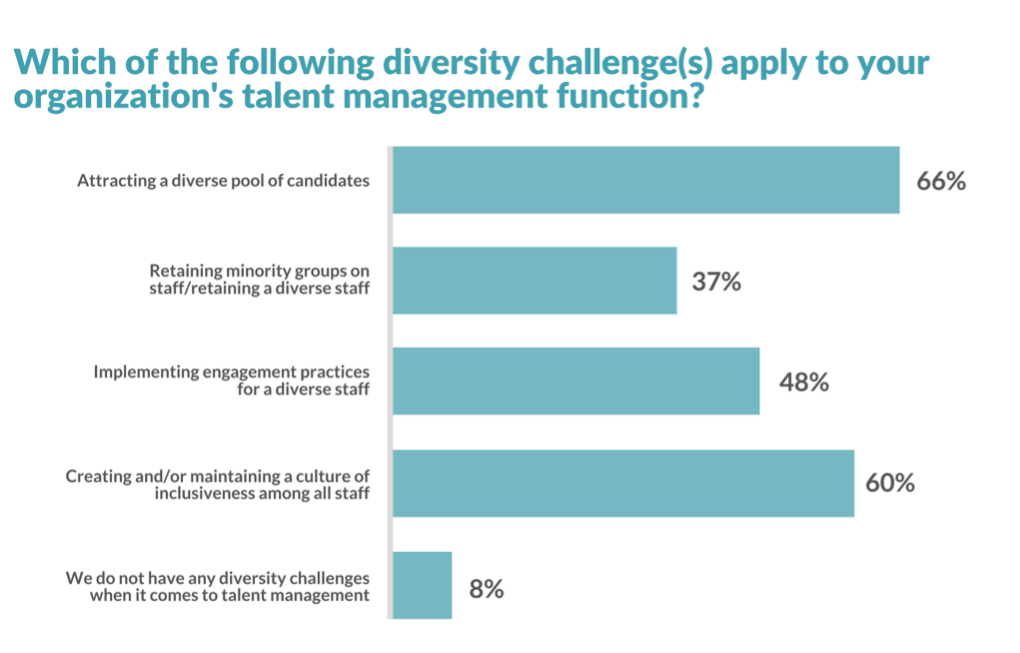
As leaders of social change and impact, we have a responsibility to identify where bias lives and hides in our organizations. As you look across your organization, assess your metrics, including pay and distribution of positions and who sits in the chairs. Your data will tell the story and where you must acknowledge biases and act. When you come face to face with your data, ask yourself the hard questions: Do you have a diverse mix of staff, and does your organization mirror the communities that you serve and that you’re working in? The below chart can also help you understand and consider benchmarks for what other organizations are prioritizing:
Remember, DEIB is not a sprint nor marathon, but rather a precise walk that goes beyond just drafting and circulating a statement. Be prepared to go deeper. Just because you have 50 open positions and you hire 50 diverse candidates, that doesn’t mean your organization’s culture is inclusive and fosters belonging. A well-crafted approach sets your organization up for success to attract, grow, and value a diverse and inclusive workforce to amplify your employer value proposition long after they’ve moved on to their next journey.
SITA by Nonprofit HR recommends these resources as you continue to pursue DEIB initiatives as a part of your people acquisition and management practices.
SITA by Nonprofit HR offers mini consultations in support of your DEI journey and recruitment strategy. Call us, and we will work with you to understand your needs and customize a solution that addresses what is most important to your social enterprise and workforce culture.

Stories, interviews, and tools for founders, nonprofits, and investors building a better economy.
Privacy-first updates. Unsubscribe anytime.
