Cookie preferences
We use essential cookies for sign-in and security. With your permission, we also use Plausible Analytics to understand how the site is used. See our Privacy Policy

The statistics on marine pollution are staggering: an estimated 11 million metric tons of plastic enter our oceans every single year, equivalent to dumping a garbage truck full of plastic into the sea every minute.
This crisis impacts everything from coral reefs and endangered species to the seafood on our plates.
For decades, the fight to save our oceans was led primarily by large, established non-profits. Today, however, a new, dynamic force has emerged: the ocean conservation startup.
What is an Ocean Conservation Startup? A for-profit company or high-impact non-profit that applies innovative, scalable, and often technology-driven solutions—like robotics, AI, or advanced biomaterials—to address urgent threats to marine environments, such as pollution and biodiversity loss.
These ventures are attracting significant investment and deploying cutting-edge technology to tackle pollution at its source, in rivers, and in the open ocean. They represent the leading edge of sustainable ocean tech.
Here are 10 of the most impactful and innovative ocean conservation startups making waves in the fight against marine pollution.

The most recognizable name in the field, The Ocean Cleanup is a non-profit developing advanced systems to clear plastic from the open ocean and intercept it in rivers.
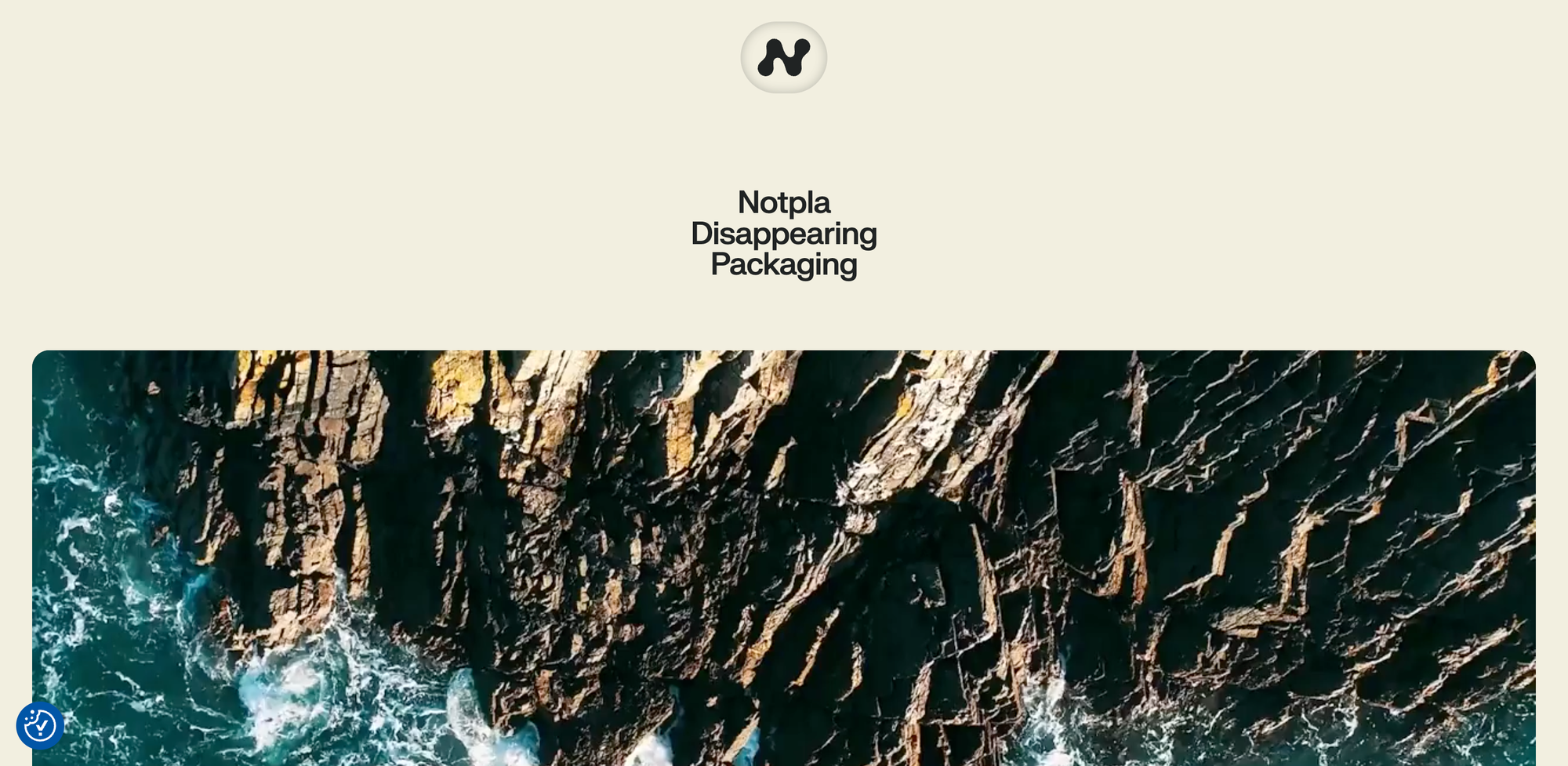
Notpla (short for "Not Plastic") is attacking pollution at its source: single-use plastic packaging.
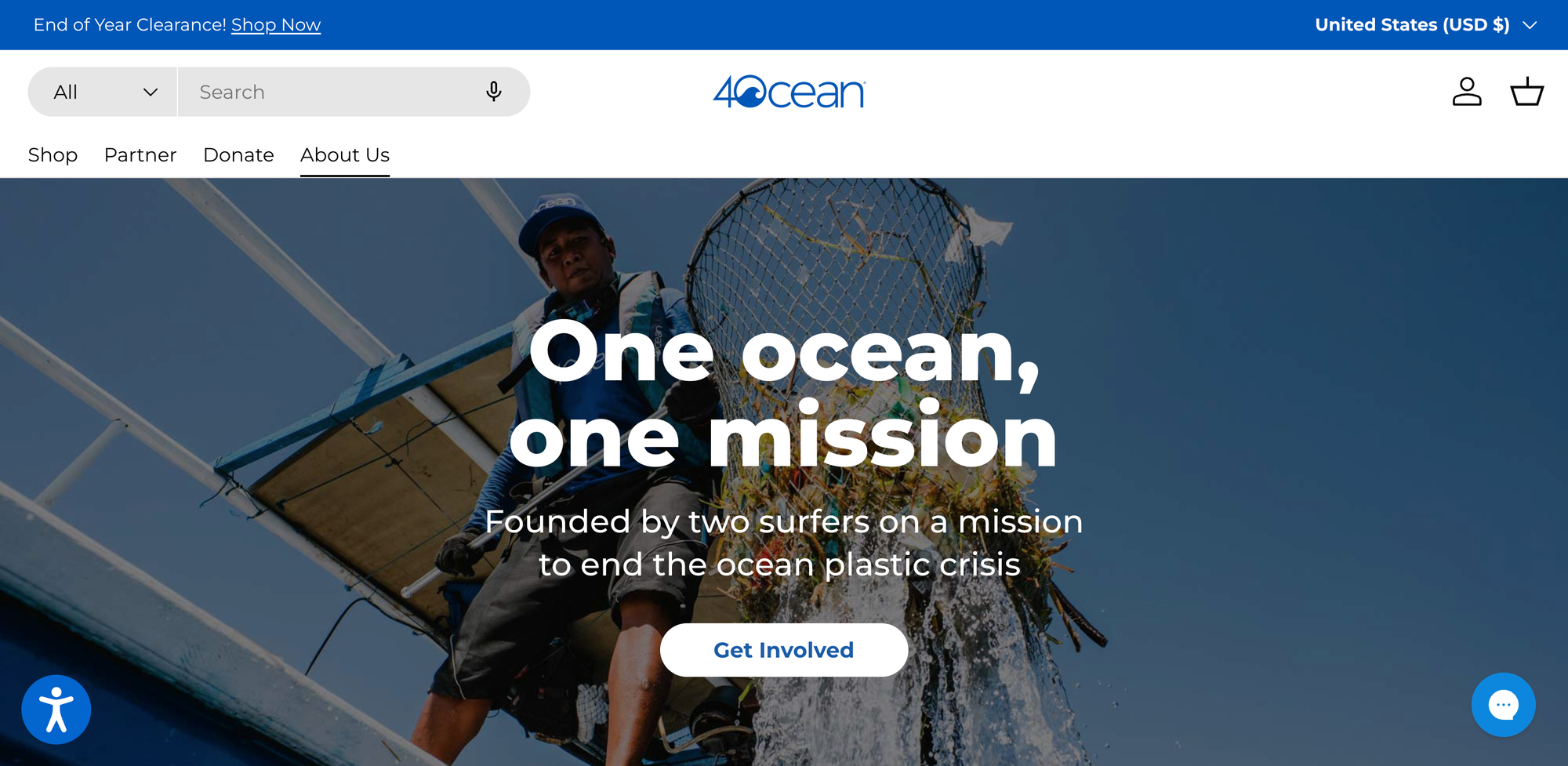
A mission driven, for profit company built on a simple premise, consumers can directly fund ocean cleanup through everyday purchases. 4ocean operates its own global cleanup operations rather than relying solely on donations or grants.
The Problem: Plastic pollution is persistent, labor intensive to remove, and historically underfunded. While awareness is high, sustained capital for daily cleanup work in oceans, rivers, and coastlines has been limited, especially in developing regions where waste management systems are weak.
The Solution and Technology: Product funded cleanup model where sales of bracelets and other consumer goods are directly tied to the removal of a defined amount of ocean bound plastic.
Vertically integrated cleanup operations that include boats, heavy equipment, and full time cleanup crews rather than one off volunteer efforts. Multi environment collection strategy targeting oceans, rivers, shorelines, and mangroves to intercept plastic before it spreads.
Impact and Status: The company has removed more than 40 million pounds of trash worldwide and employs full time cleanup teams across multiple countries, making ocean cleanup a continuous operation rather than a seasonal campaign.
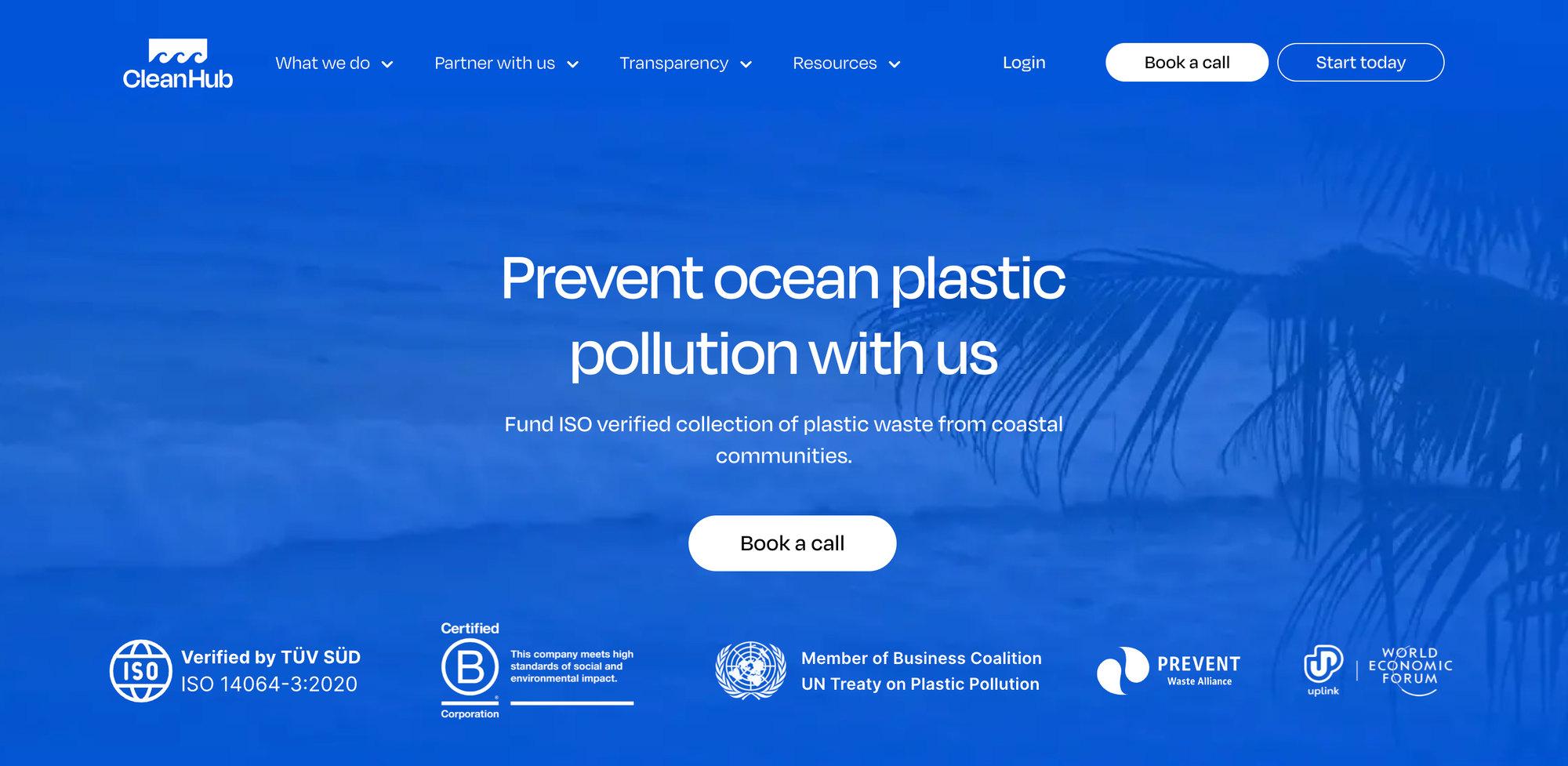
CleanHub shifts the focus from ocean cleanup to ocean-bound plastic prevention by creating a verifiable financial engine for cleanup efforts in coastal communities.
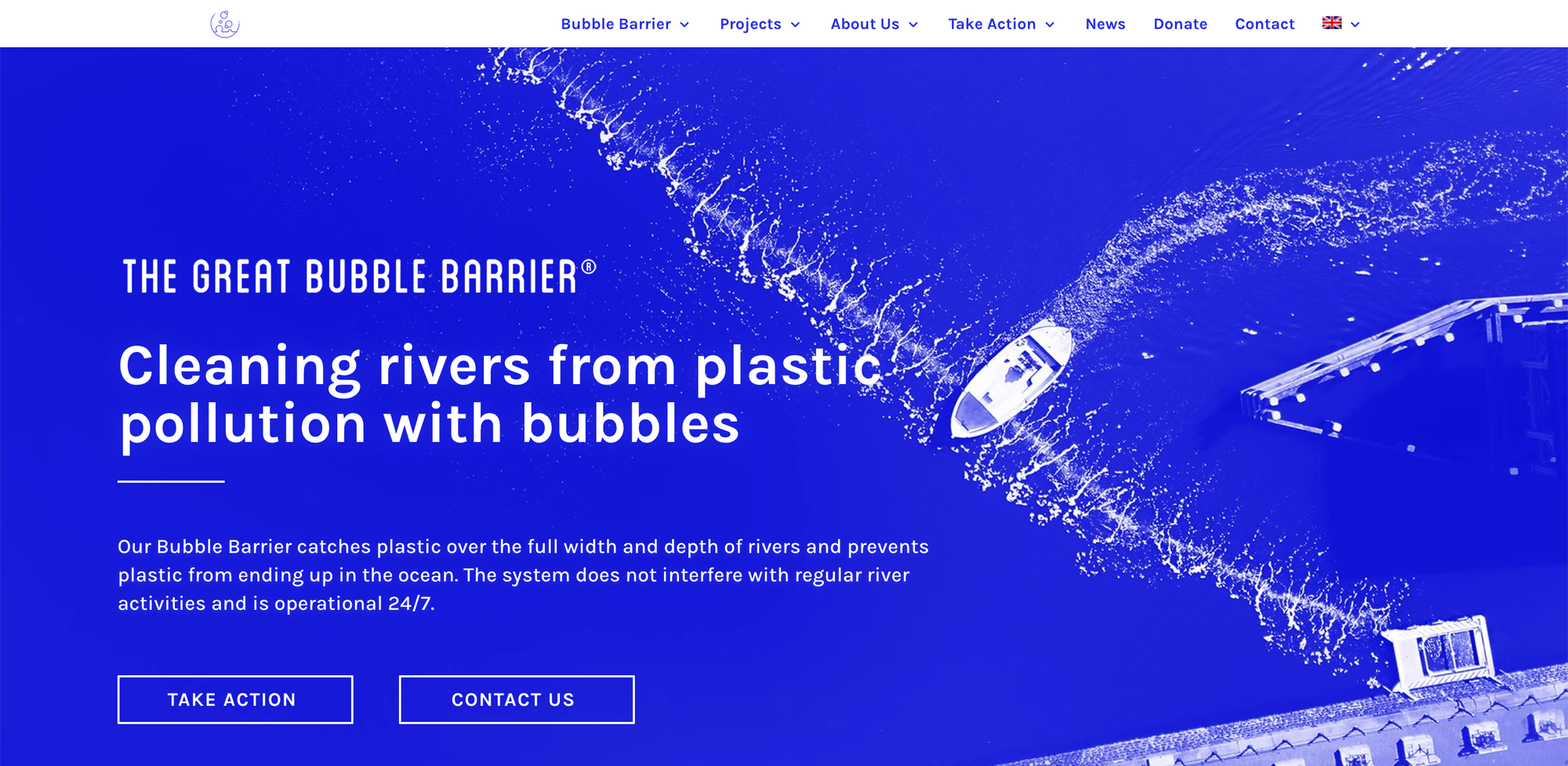
This Dutch ocean conservation startup has a simple yet ingenious solution for river plastic.
One short email a week with the best impact reads, interviews, and tools.
Unsubscribe anytime.
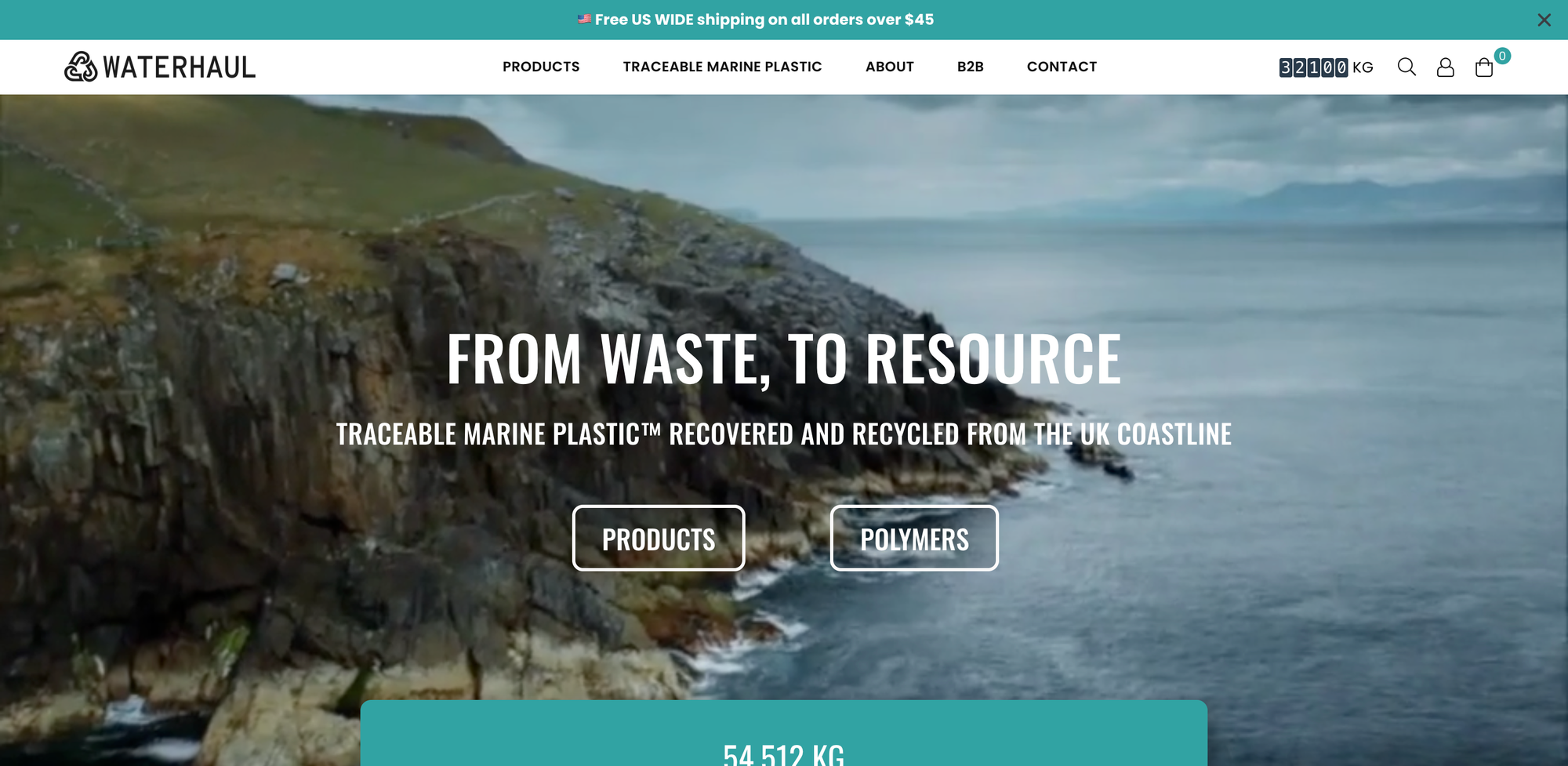
Waterhaul is focused specifically on one of the most lethal forms of marine pollution solutions: lost or abandoned fishing gear.
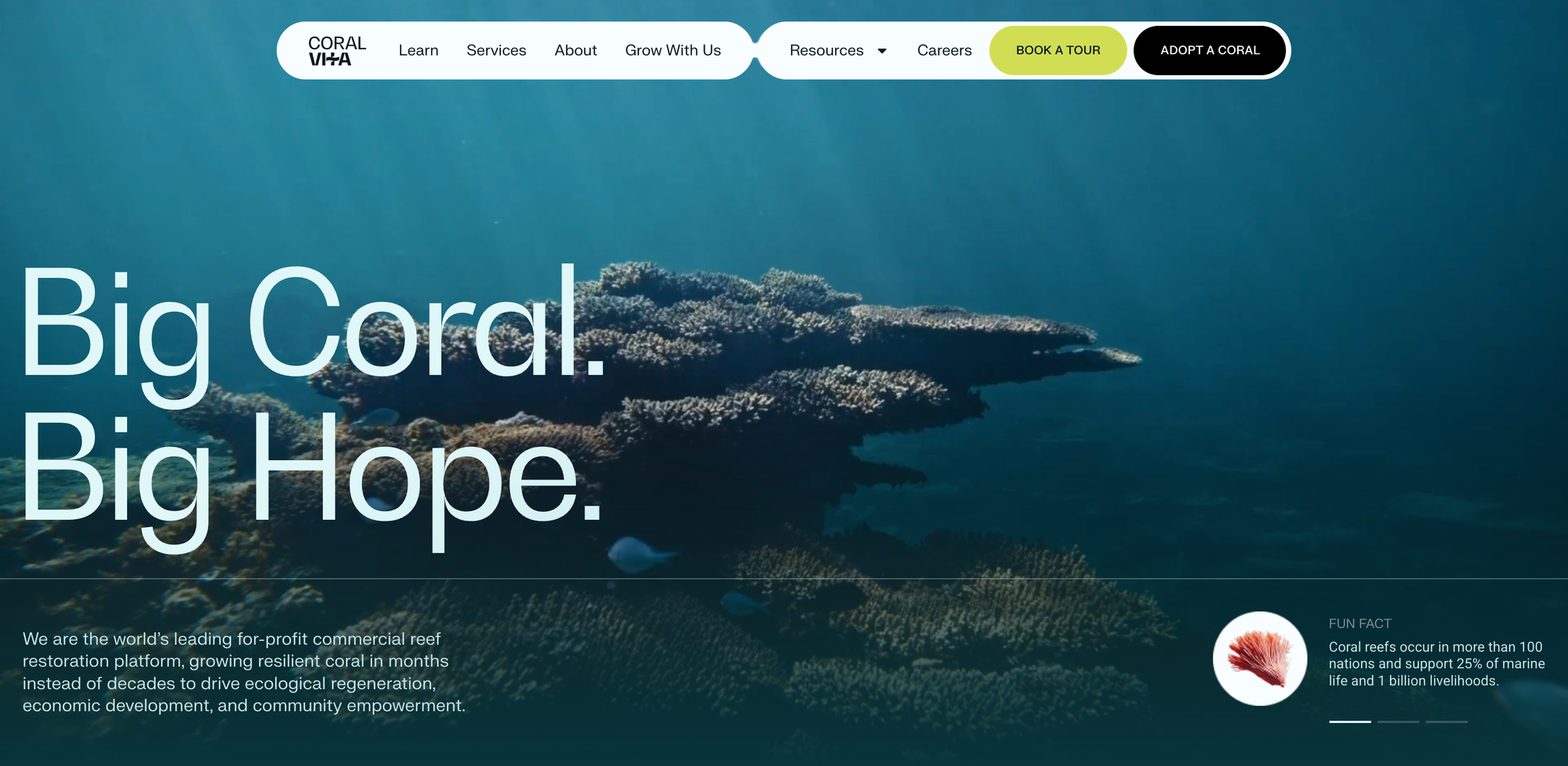
While not fighting floating debris, Coral Vita tackles the pollution-driven destruction of the ocean's most vital ecosystems: coral reefs.
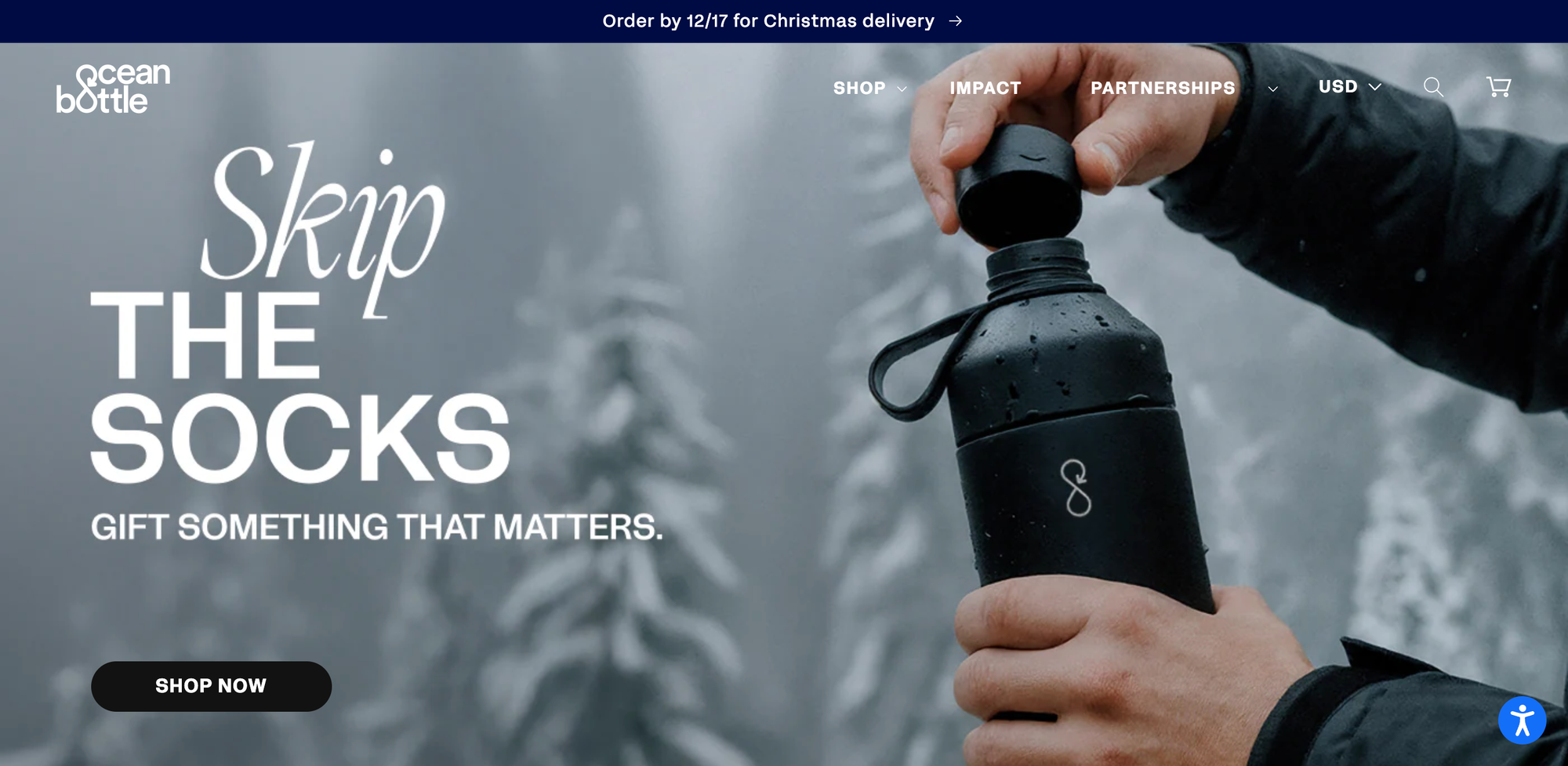
Ocean Bottle is a consumer goods company that links the purchase of its reusable water bottle directly to plastic collection and social impact.
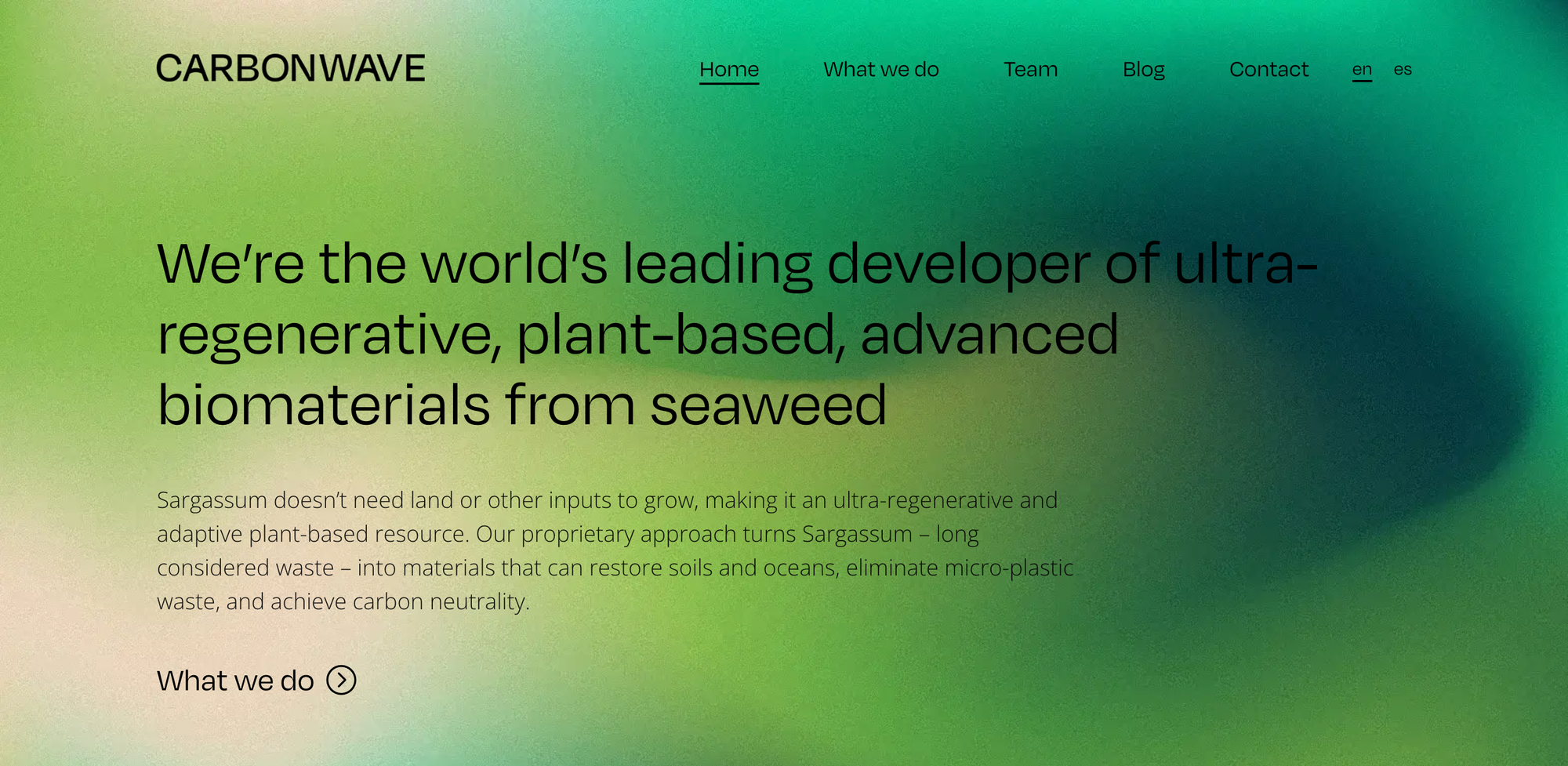
Carbonwave tackles a complex, widespread form of marine pollution: the massive, invasive blooms of Sargassum seaweed across the Caribbean.
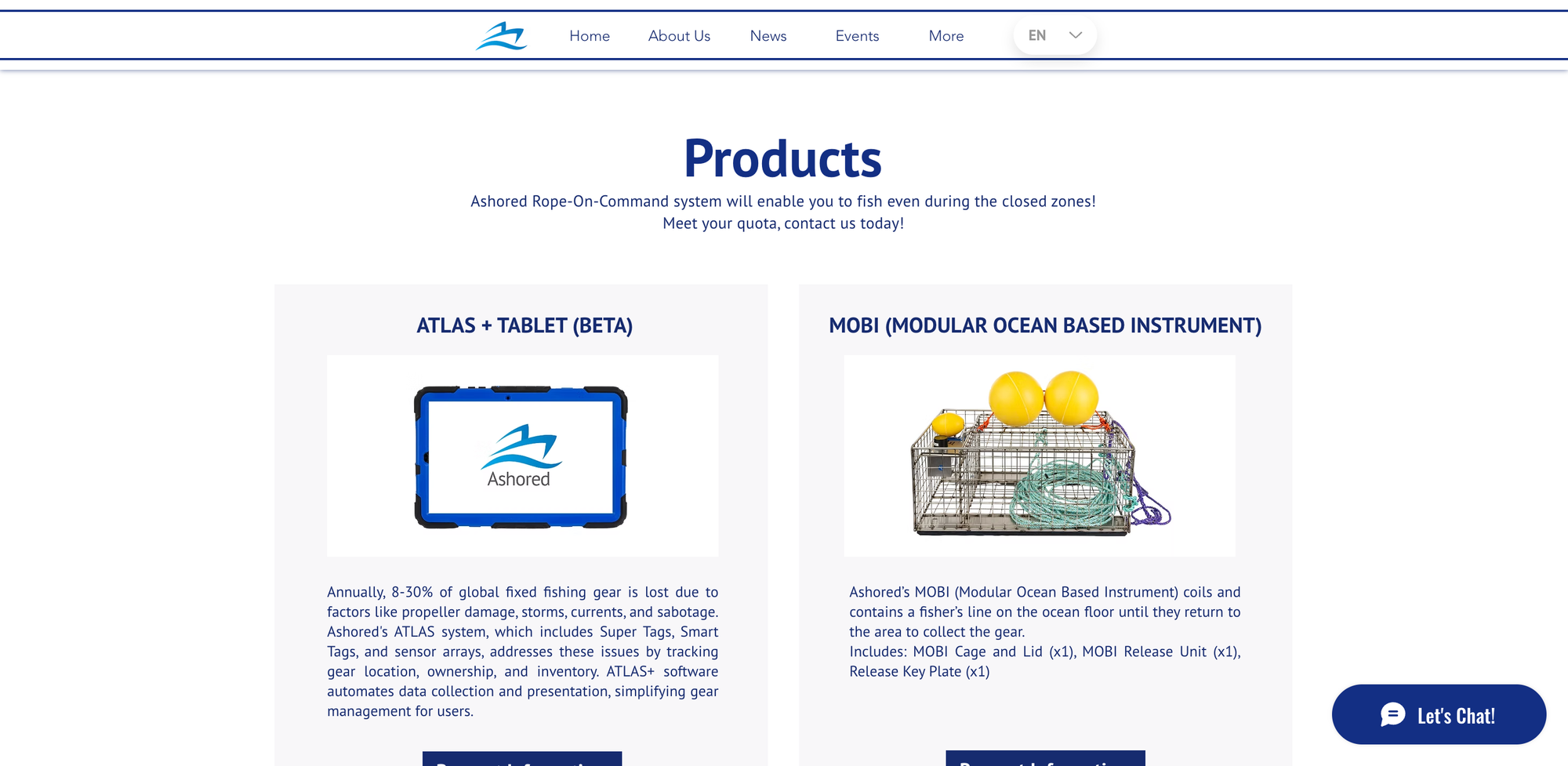
Focused on preventing the creation of ghost gear, Ashored Innovations is innovating on traditional commercial fishing practices.
The work of these ocean conservation startups proves that innovative solutions, fueled by entrepreneurial spirit and investment, are critical to reversing the damage caused by marine pollution.
The shift toward a Blue Economy is driving incredible progress. We are moving away from purely reactive cleanup efforts toward a multi-pronged strategy that includes:
Achieving the goals of SDG 14 (Life Below Water) will require billions in investment, but the energy, ingenuity, and sheer number of solutions emerging from the ocean conservation startups community offer a powerful message of hope.
Read by tens of thousands. Delivered three times a week. Funding rounds, new tools, and real stories from the people building a better economy.
No spam. Unsubscribe anytime.

Stories, interviews, and tools for founders, nonprofits, and investors building a better economy.
Privacy-first updates. Unsubscribe anytime.
